The Omakase Experience in Canggu: The Dinner You Actually Remember
A closer look at the details that turn a chef’s counter into a lasting memory, and why having so few seats is part of the point.
Most dinners fade within a week. You remember the food was good, maybe the name of the place, but the details blur into every other meal you’ve had that month.
Omakase tends to work differently. People can still describe a single piece of fish months later: how it was placed in front of them, the warmth of the rice, the short pause before the chef moved on to the next course.
That isn’t an accident. It’s built into the format. This article looks at why an omakase dinner leaves such a lasting impression, from the plating and the produce to the craft behind the counter, and why the limited seating at places like Miss Fish in Berawa is part of what makes it work.
Why Some Meals Stay With You
Psychologists have a useful idea for this, often called the peak-end rule. We tend to remember experiences not as an average of every minute, but by their most vivid moments and by how they end. A long, pleasant dinner can leave surprisingly little behind. A meal built from a sequence of distinct high points leaves far more.
Omakase is designed almost entirely around that idea. Every course is its own small moment, served one at a time, with the chef’s full attention on you as it arrives. By the end of the evening, you haven’t had one dinner so much as a dozen small ones, each with its own detail to hold on to.
The First Thing You Notice Is How It Looks
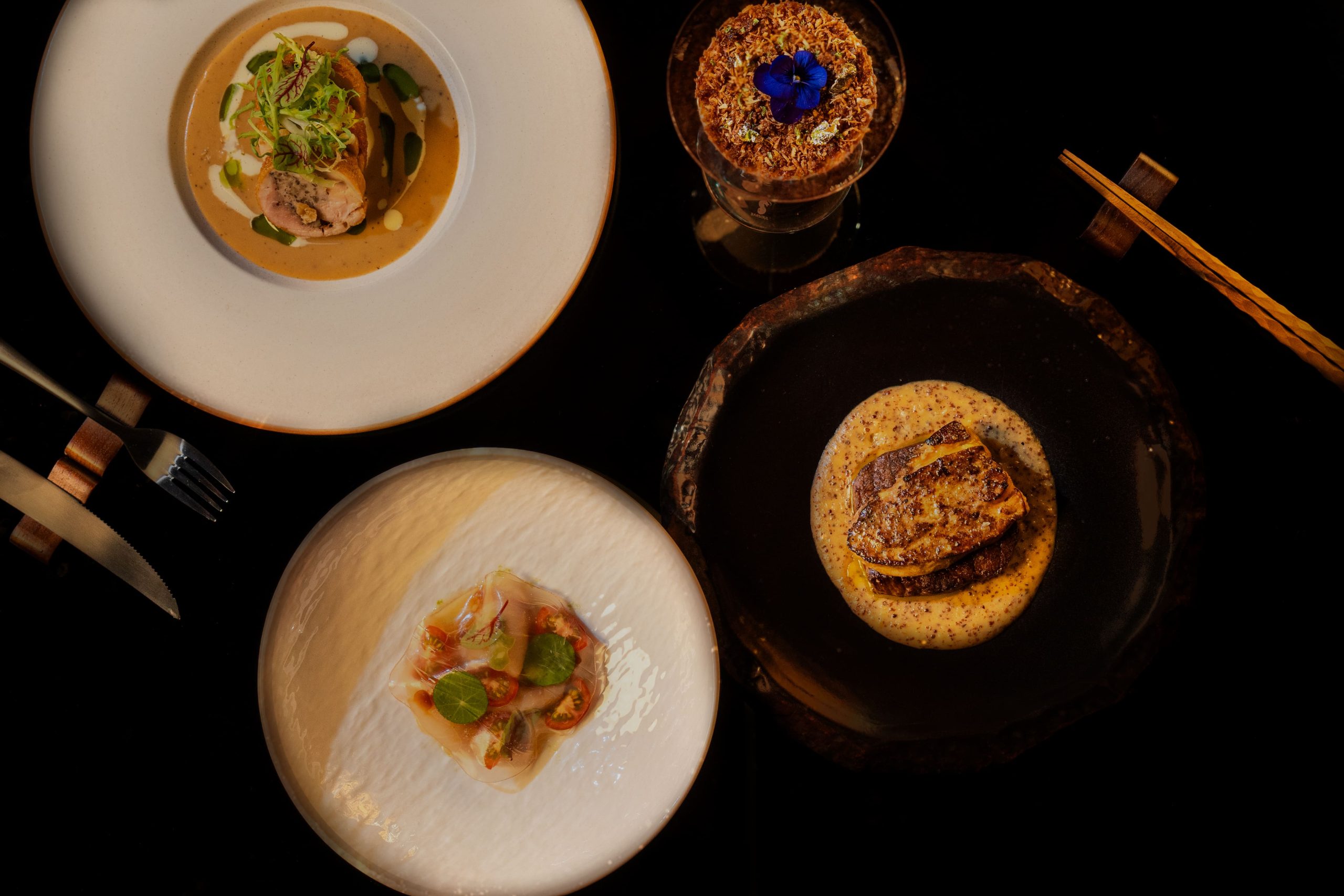
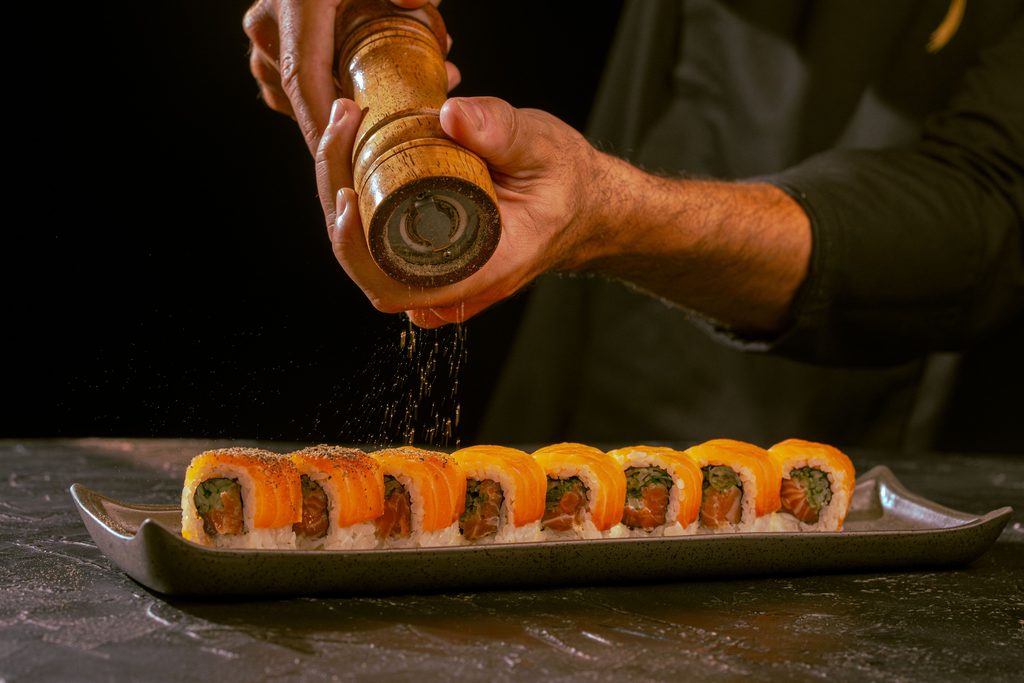
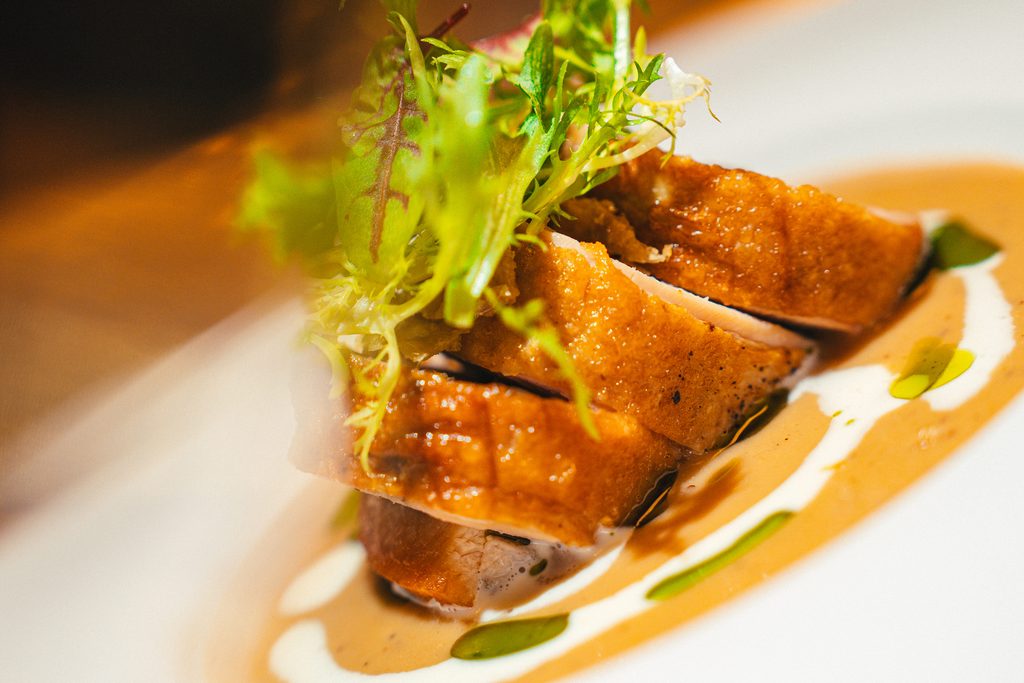
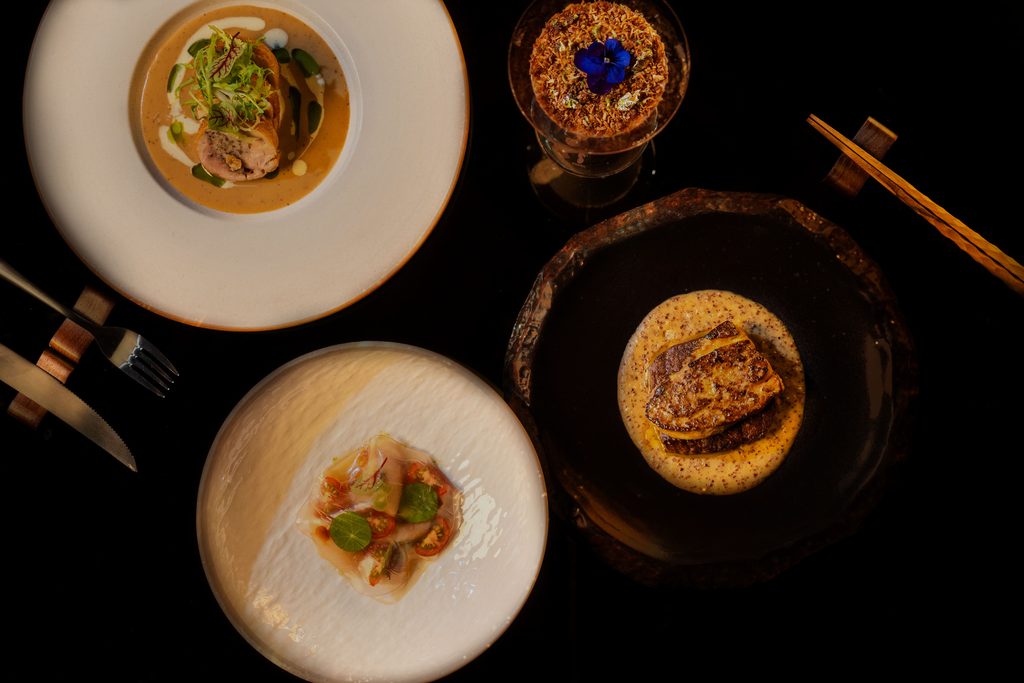
Before anything is tasted, it’s seen. Omakase plating is deliberately restrained: a single piece on dark ceramic, a brush of glaze catching the light, a garnish so small you only notice it on a second look.
That restraint is the point. With nothing competing for attention, the eye goes straight to the ingredient itself, the colour of the fish, the grain of the cut, the way a piece has been scored or lightly torched. It’s the kind of detail most guests instinctively reach for their phone to capture, and the image that tends to come back to them later.
Also check: Where to Eat Sushi with a DJ in Bali: 7 Epic Night Spots
Craft You Can Watch Happen
At most restaurants, the kitchen is somewhere behind a wall. At an omakase counter, it’s right in front of you.
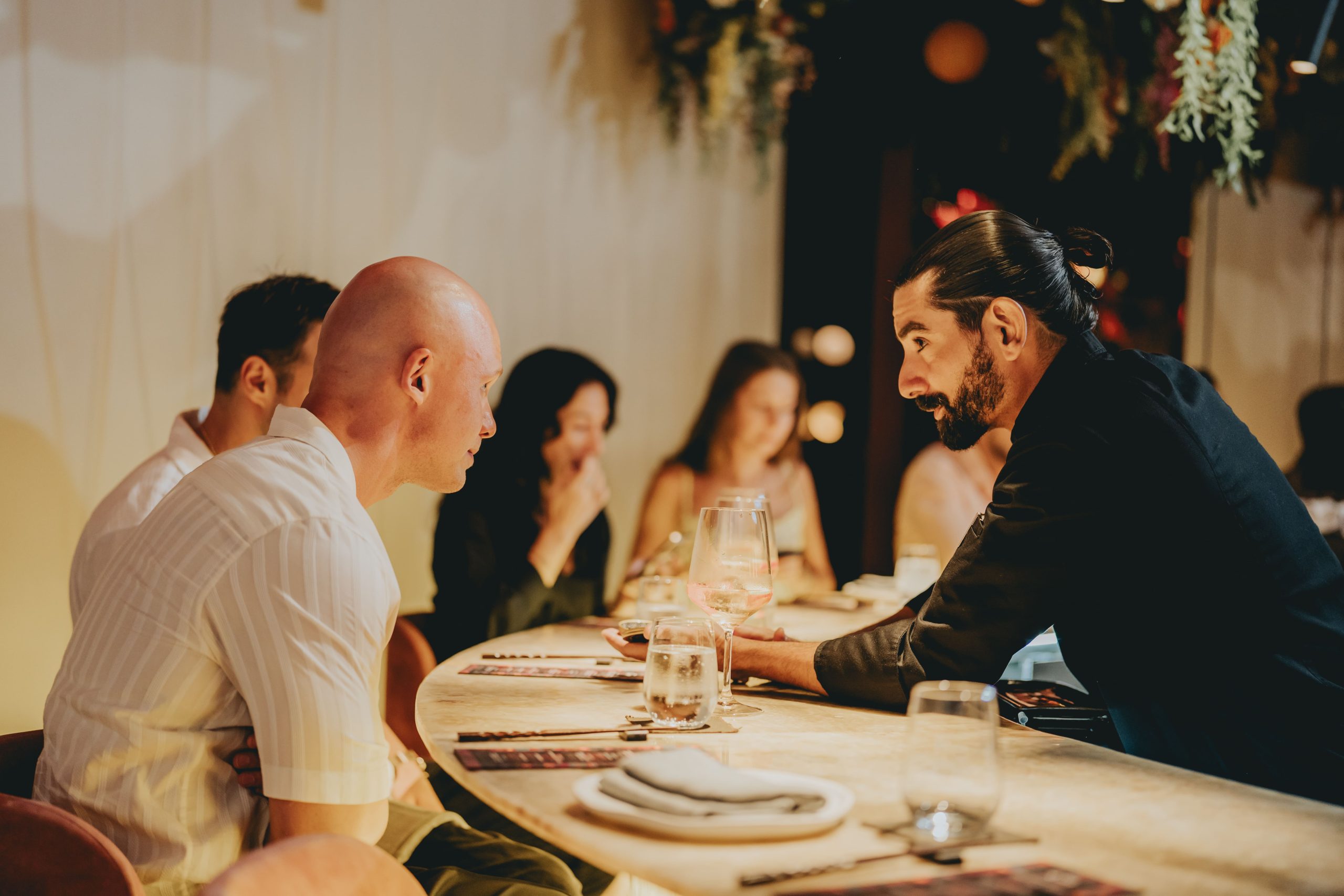
Guests watch the chef slice, shape and season each course in real time, often hearing what’s coming as it’s being prepared. That closeness changes the whole experience. The precision of the knife work, the speed of hands shaping rice, the quiet timing of each piece landing just as the last one is finished: all of it becomes part of the meal rather than something hidden from it.
It also makes the service feel personal in a way a printed menu never can. The chef notices what you linger over, adjusts the pace to the table, and answers the questions a waiter would usually have to take back to the kitchen.
Where It All Starts: The Quality of the Ingredients
Omakase leaves nowhere to hide. There are no heavy sauces and no stacked components, and a single course is often just two elements: fish and rice. That simplicity only works when what goes into it is exceptional.
It’s also why the format is built around what’s best on the day rather than a fixed menu. The chef’s selection follows the freshest produce available, which means no two omakase dinners are ever quite the same, and gives regulars a genuine reason to come back and see what has changed.
Why Fewer Seats Make It Better
It’s easy to see limited seating as an inconvenience. In Omakase, it’s closer to the whole design.
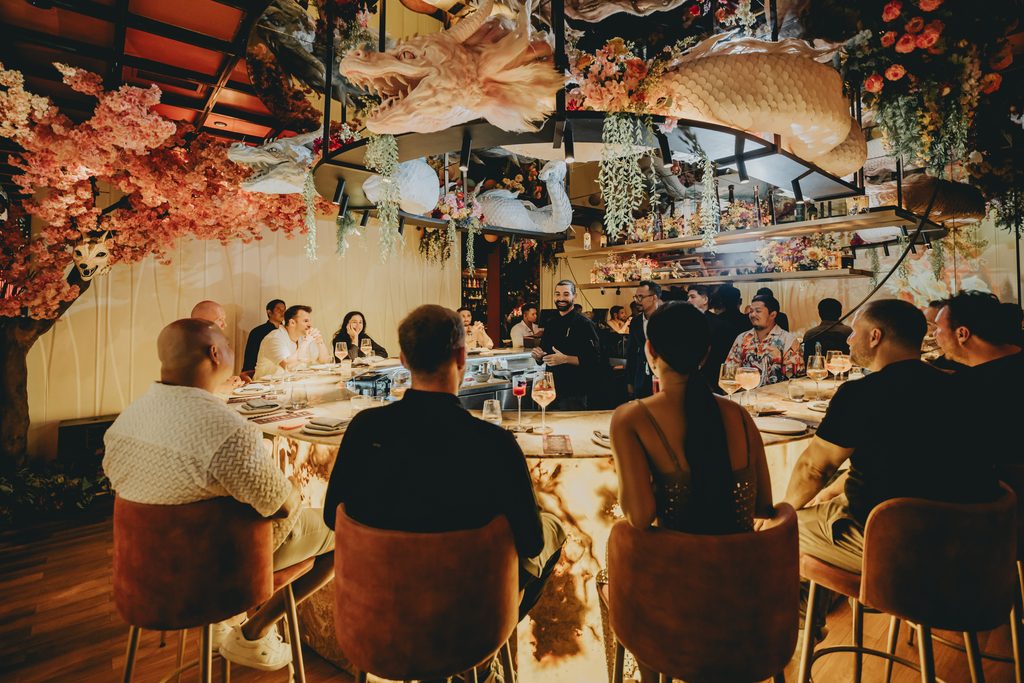
A chef can only give real attention to so many guests at once. Keep the counter small, and everyone sitting at it gets the pacing, the conversation and the focus that make the experience worth booking. Make it bigger, and it quietly turns into a set menu served to a crowd.
That’s why counter seats at places like Miss Fish go quickly, especially at weekends. The scarcity isn’t a marketing trick. It’s what protects the experience for the people who do get a seat.
A Dinner That Feels Made for You
Part of what makes Omakase so memorable is that it rarely feels generic. Preferences and allergies are shared at the start, the chef reads the table as the evening unfolds, and the pace shifts to suit the people sitting there. A birthday, a first date or a quiet dinner for one can each feel slightly different, even with the same chef behind the same counter.
That feeling of being looked after, not simply served, is often the part that lingers longest.
How Miss Fish Brings It Together
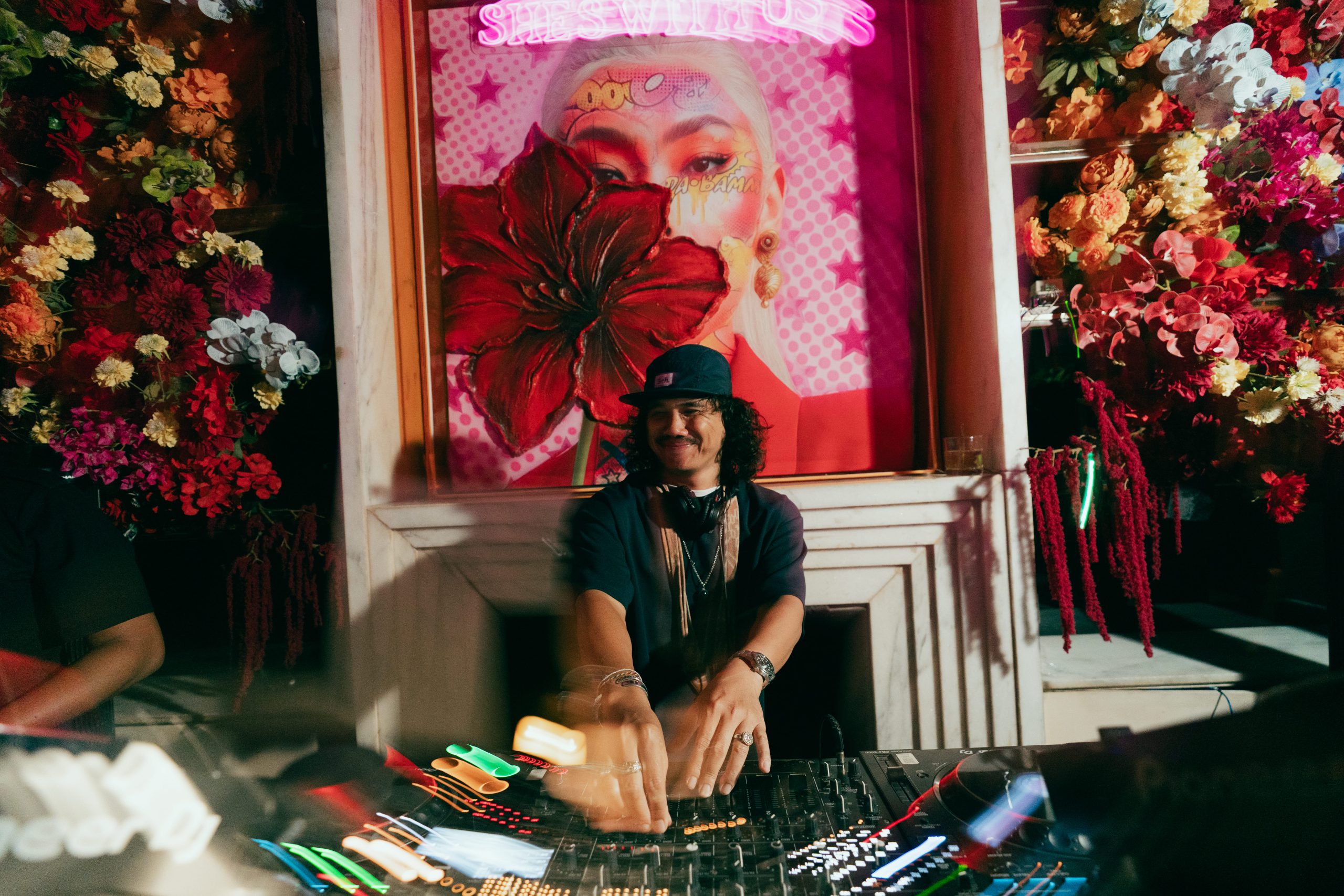
At Miss Fish in Berawa, the omakase counter sits inside a room built for evenings that don’t end when dinner does. Guests can begin with a chef-led tasting at the counter and let the night carry on into cocktails and music, without ever changing venues.
It’s also the part of the experience guests mention most often in their reviews: the omakase bar as a front-row seat to the kitchen, rather than just another tasting menu.
Also check: Omakase Nights & Bali Nightlife: Your Guide to Dining & After‑Dark Fun in Canggu & Seminyak
Who This Experience Is For
For Couples and Date Nights
Sitting side by side at the counter, with the chef setting the rhythm of the evening, turns a dinner into an occasion without any extra effort.
For Food Lovers Who Want to Be Surprised
No menu and no decisions, just a sequence of courses you probably wouldn’t have ordered yourself.
For Birthdays and Anniversaries
Celebrations land better when the dinner itself feels made for the moment.
For Visitors on a Short Trip
If you only have a few nights in Bali, omakase is one of the dinners most likely to be the one you’re still talking about when you get home.
Making the Most of Your Seat
- book ahead, especially for weekends and counter seats
- mention any allergies or dislikes when you book or as soon as you sit down
- arrive on time, since omakase is paced course by course
- eat each piece as soon as it’s served, while the temperature is right
- ask questions, because the conversation with the chef is part of the experience
Final Thoughts
The most memorable dinners aren’t always the most elaborate. More often, they’re the ones where every detail was considered: the piece placed in front of you at exactly the right moment, the chef who remembered what you enjoyed two courses earlier, the ingredient so good it barely needed anything else.
That’s what omakase does best, and why a seat at the counter tends to stay with people long after the evening ends. In Canggu, with only so many of those seats to go around, it’s worth planning ahead.
Miss Fish Bali
Omakase Counter, Berawa, Canggu, Bali
Limited seating, reservations recommended