Best Japanese Restaurants in Bali (2026): Sushi, Omakase & Dining Guide
Bali has developed one of the most diverse Japanese dining scenes in Southeast Asia, combining traditional techniques, modern interpretations and experience-driven venues across multiple locations.
From high-end omakase counters to casual sushi concepts, Japanese restaurants in Bali cater to a wide range of travelers, including short-stay tourists, long-term residents and premium hospitality guests.
Unlike destinations where Japanese cuisine is limited to fine dining, Bali offers a full spectrum of formats. This allows visitors to integrate Japanese dining into different parts of their itinerary, whether as a standalone experience or as part of a broader nightlife plan.
For travelers exploring where to eat in Bali, understanding how Japanese restaurants are positioned, by location, experience type and timing, is key to selecting the right venue.
Overview: Why Japanese Dining Works in Bali
Japanese cuisine has gained strong traction in Bali due to several structural advantages:
- Alignment with Tourism Demand
Japanese food is widely recognized and accessible for international travelers. It offers familiarity while still allowing for premium or experiential upgrades such as omakase.
- Range of Dining Formats
Bali offers:
- high-end omakase
- modern Japanese fusion
- casual sushi dining
This range allows Japanese restaurants to serve both lunch and dinner segments, as well as pre-nightlife experiences.
- Integration with Lifestyle & Nightlife
In areas like Canggu and Seminyak, Japanese restaurants are often integrated into nightlife ecosystems. This makes them part of the evening sequence rather than isolated dining destinations.
- Premium Positioning
Japanese dining in Bali is frequently associated with:
- quality ingredients
- curated experiences
- strong service standards
This aligns well with premium travelers and special occasions.
- Growth in Search Demand
Search behavior for terms such as “Japanese restaurant Bali” and “omakase Bali” continues to grow, indicating increasing interest from travelers during the discovery phase.
Key Japanese Dining Areas in Bali
Understanding location is essential when selecting a restaurant.
Canggu
Canggu has become the leading area for modern Japanese dining, particularly for travelers combining food and nightlife.
- strong concentration of omakase and fusion concepts
- integration with beach clubs and bars
- younger, international crowd
Seminyak
Seminyak offers a more structured dining environment.
- easier logistics
- higher concentration of premium hotels
- suitable for first-time visitors
Uluwatu
More limited options but increasing presence.
- destination dining
- sunset-focused experiences
- lower density of venues
Types of Japanese Restaurants in Bali
Rather than ranking venues directly, it is more effective to classify Japanese restaurants by experience type.
Omakase (Premium Experience)
Omakase represents the highest tier of Japanese dining.
- chef-curated tasting menus
- seasonal ingredients
- limited seating
- reservation-based
Typically selected for:
- special occasions
- couples
- premium travelers
Modern Japanese Fusion
These venues combine Japanese techniques with contemporary influences.
- creative menus
- broader appeal
- more social environments
Often positioned within nightlife areas.
Casual Sushi & Dining
More accessible formats designed for:
- quick meals
- group dining
- repeat visits
Lower price point and less structured experience.
Best Japanese Restaurants in Bali
Miss Fish Bali (Canggu)
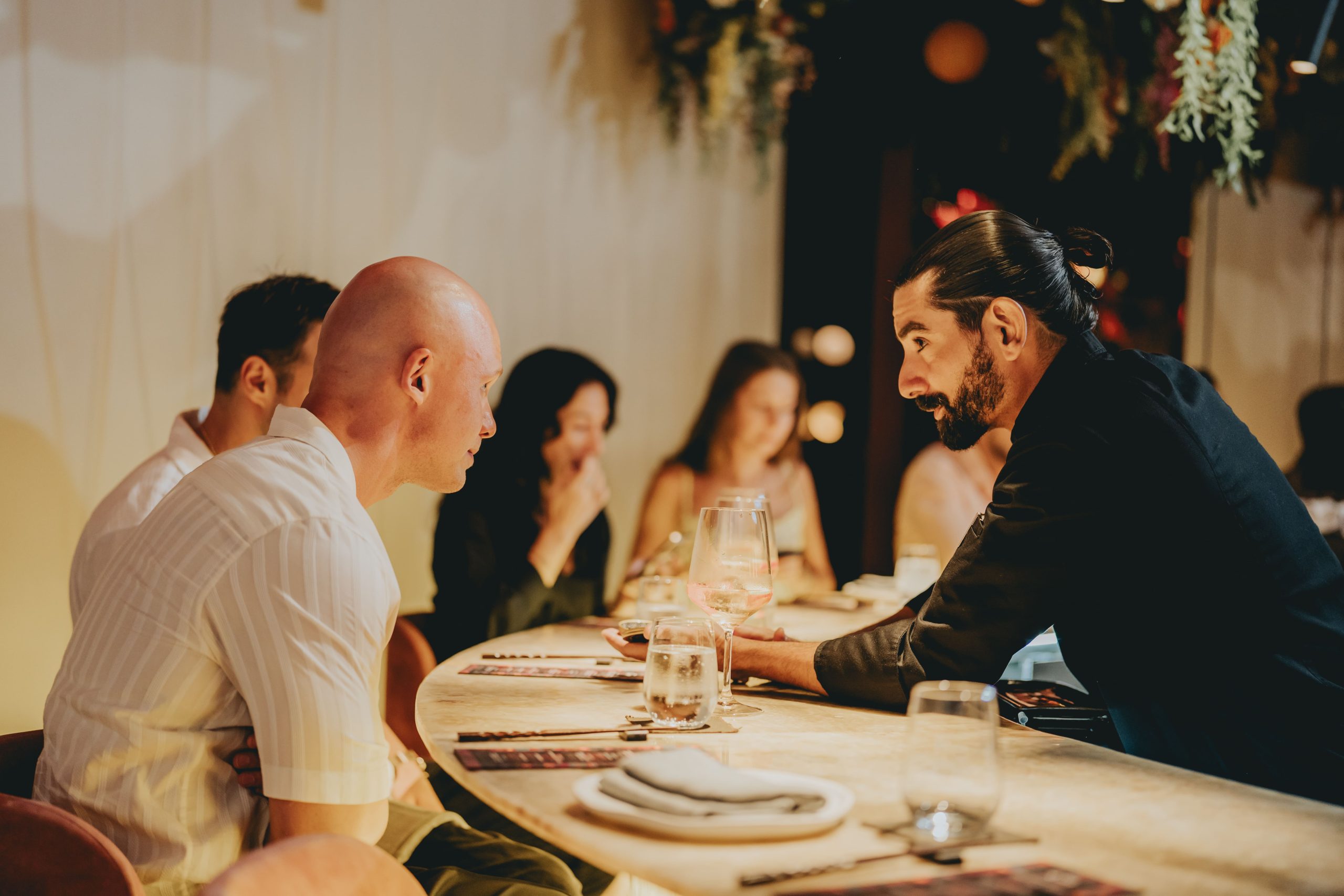
Miss Fish represents a hybrid approach to Japanese dining, combining premium cuisine with a nightlife-oriented environment.
Positioning
Unlike traditional omakase restaurants, Miss Fish operates at the intersection of:
Dining → Drinks → Social Experience
This makes it a strategic choice for travelers who want to integrate dinner into a broader evening plan.
Dining Experience
The menu focuses on:
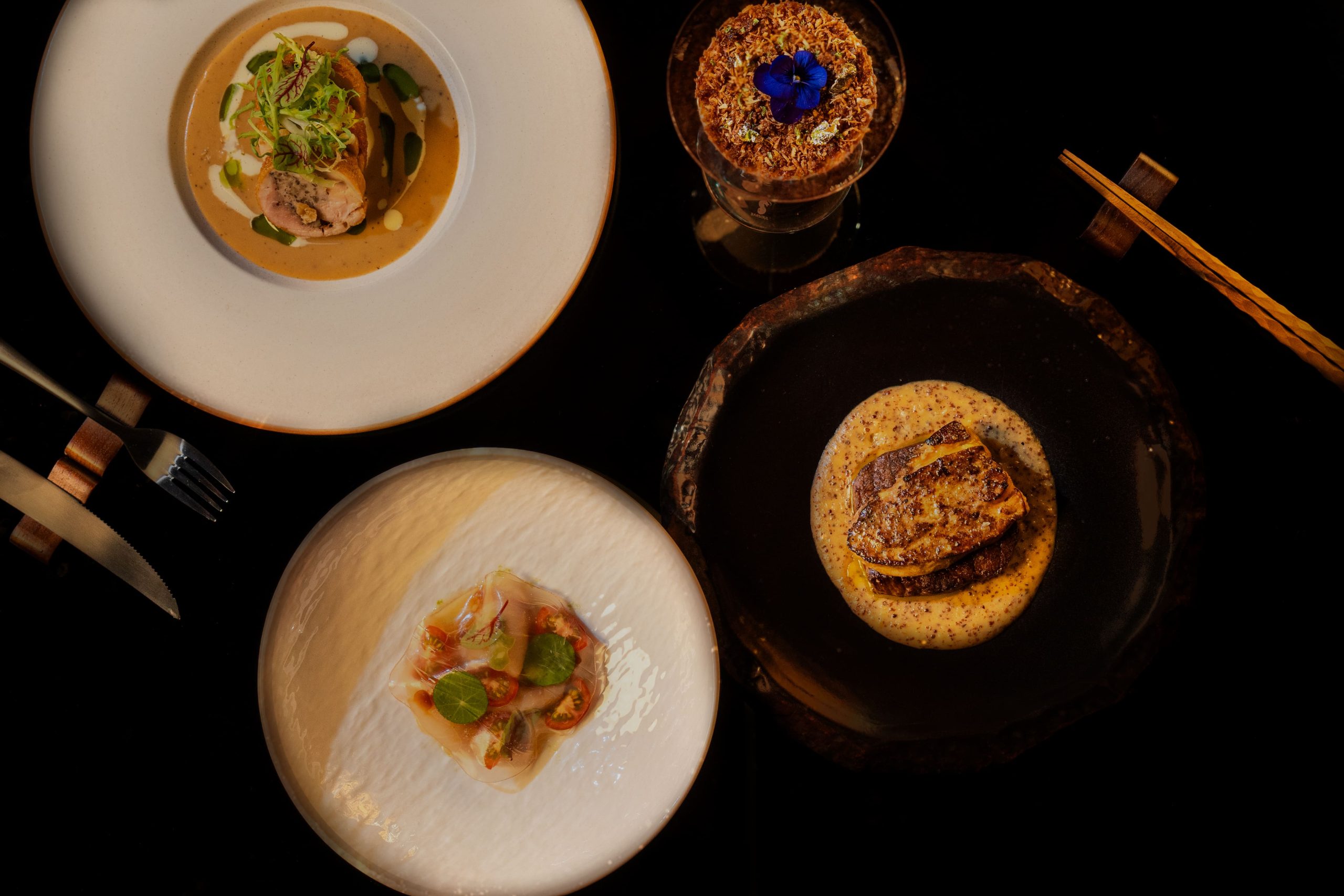
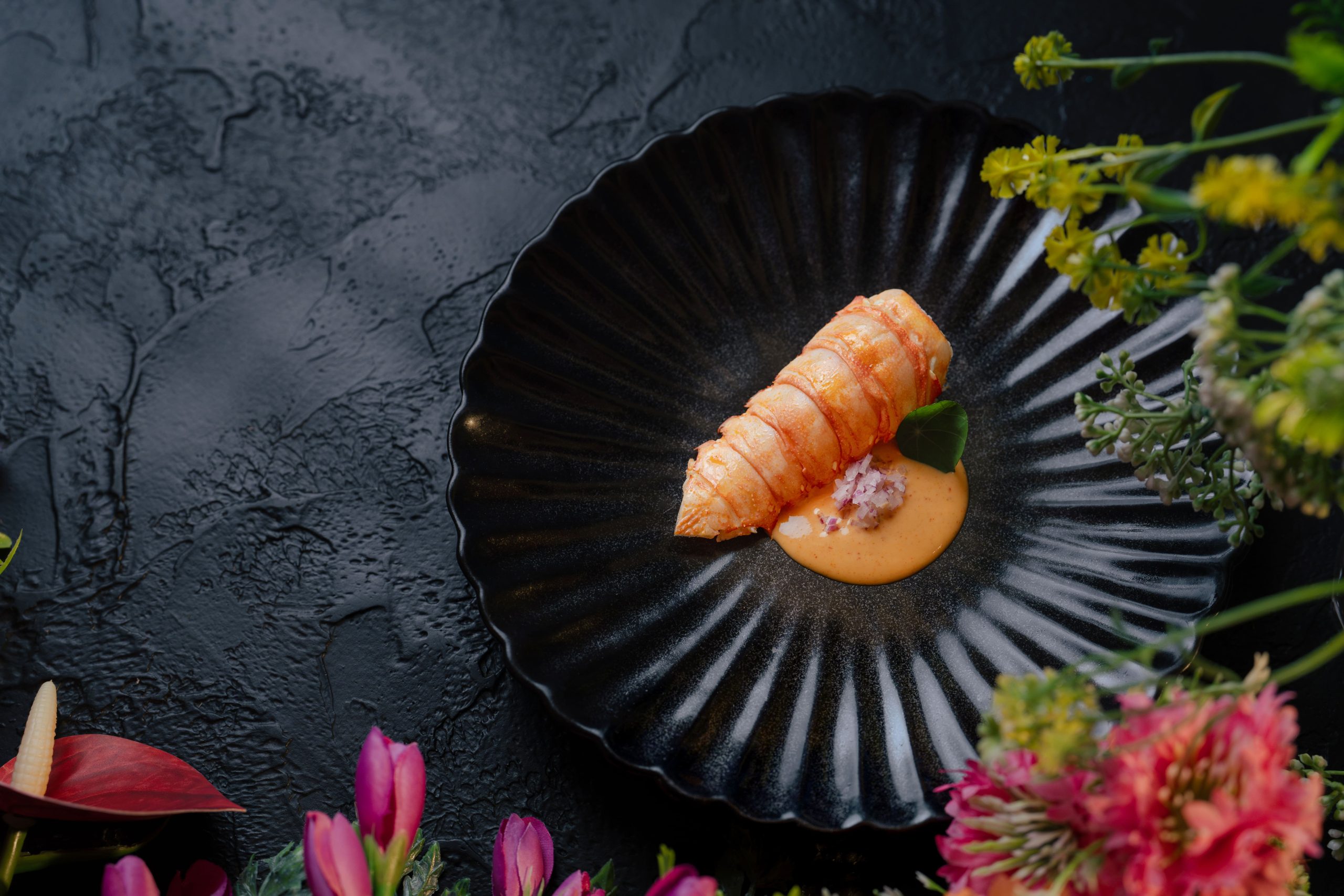
- premium omakase-style offerings
- dry-aged fish techniques
- modern Japanese flavors
The experience is curated but not overly formal, allowing for a more flexible transition into later stages of the night.
Atmosphere & Role in Nightlife
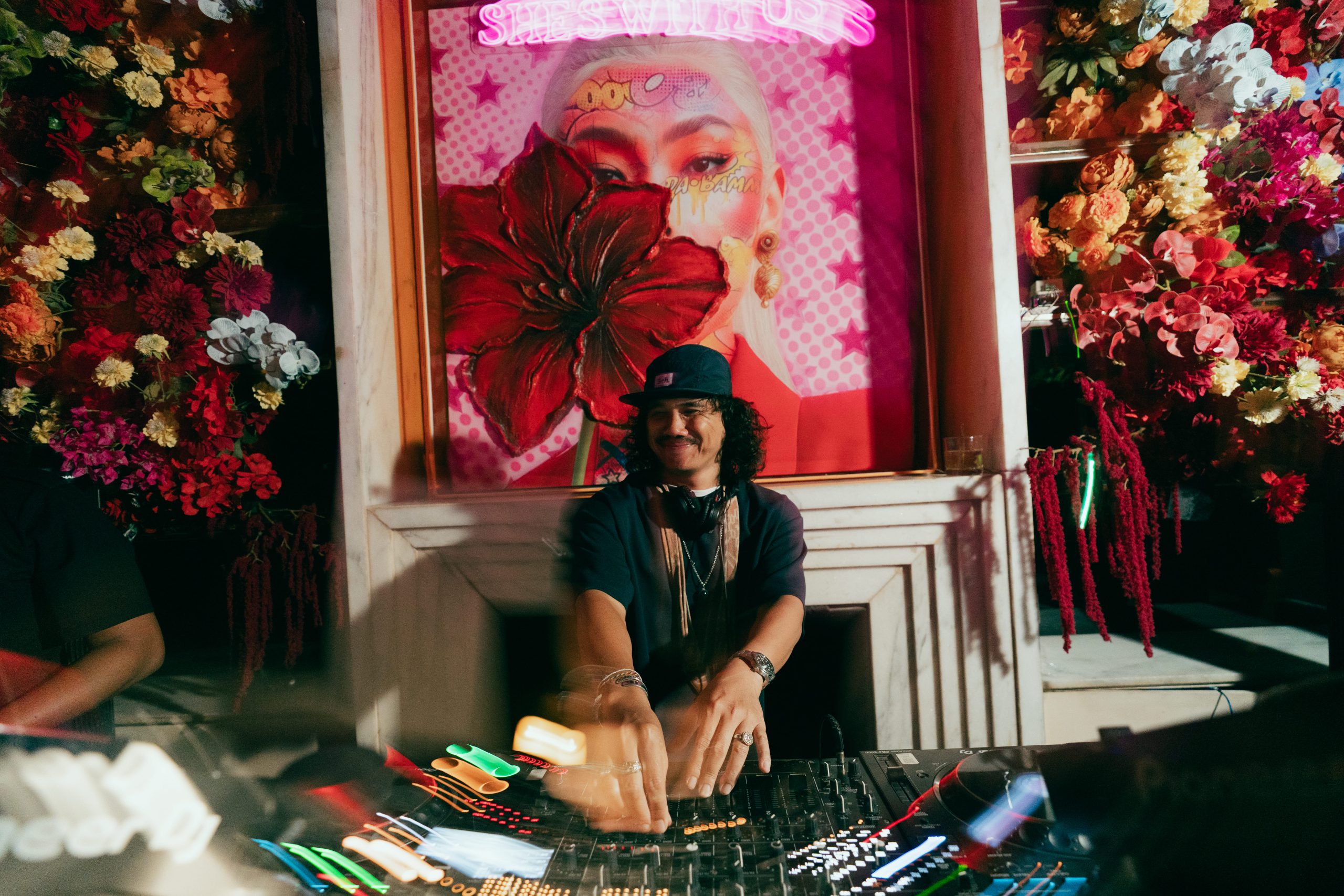
As the evening progresses, the venue evolves:
- increased music presence
- more social interaction
- transition toward lounge-style environment
This allows guests to extend their stay without relocating immediately after dinner.
Strategic Use Case
Miss Fish is typically selected for:
- dinner before nightlife in Canggu
- group experiences combining dining and drinks
- travelers seeking efficiency (fewer venue changes)
Shun Omakase (Canggu)
A more traditional omakase-focused venue.
Characteristics
- intimate setting
- chef-led experience
- emphasis on precision and authenticity
Best suited for:
- dedicated dining experiences
- smaller groups
- travelers prioritizing culinary depth over social environment
Yuki Bali (Canggu)
A strong competitor in the Japanese dining space with a more accessible format.
Characteristics
- modern design
- consistent sushi offering
- broader menu
Often selected for:
- casual dinner
- repeat visits
- group dining
Takumi Bali (Seminyak)
A more structured fine dining concept.
Characteristics
- multi-course menus
- seasonal influences
- higher level of formality
Best suited for:
- planned evenings
- couples
- premium dining experiences
Sushimi Bali (Multiple Locations)
A casual and accessible sushi concept.
Characteristics
- fast service
- lower price point
- family-friendly
Best suited for:
- lunch
- quick dinners
- informal settings
How to Choose the Right Japanese Restaurant in Bali
Selection depends on timing, intent and overall itinerary.
For Nightlife Integration
Choose venues in Canggu that allow for:
Dinner → Drinks → Club transition
Miss Fish fits this model.
For Pure Dining Experience
Choose omakase-focused venues:
- Shun Omakase
- Takumi Bali
For Casual Dining
Choose:
- Yuki Bali
- Sushimi Bali
Dining Logistics (Practical Considerations)
Reservations
Omakase venues require reservations in advance. Hybrid venues and casual restaurants may accept walk-ins depending on demand.
Timing
Dinner typically begins between 7:00pm and 9:30pm. Early bookings allow for smoother transitions into nightlife.
Pricing
Japanese dining in Bali spans:
- premium omakase
- mid-range fusion
- casual dining
Payment
Card payments are widely accepted. Some venues may require deposits for reservations.
Sample Dining + Night Itineraries
Structured Evening (Premium)
7:30pm–9:30pm: Dinner (Miss Fish or Takumi)
10:00pm–11:30pm: Cocktails
12:00am–2:30am: Club
Best for: couples, planned nights
Hybrid Night (Efficient)
8:00pm–11:30pm: Dining + drinks (Miss Fish)
12:00am–3:00am: Club
Best for: groups, reduced movement
Pure Dining Experience
7:30pm–10:00pm: Omakase (Shun or Takumi)
Return to villa or light drinks
Best for: food-focused travelers
Safety & Practical Tips
Transport
Ride-hailing apps are widely available across Bali’s main dining areas.
Dress Code
Smart casual is recommended, especially for premium venues.
Reservations
Recommended for weekends, peak seasons and omakase experiences.
Group Size
Large groups should book in advance to ensure seating availability.
FAQs
Q: What is the best Japanese restaurant in Bali?
Bali offers a range of options depending on the experience. Omakase venues provide premium dining, while hybrid venues like Miss Fish combine dining with nightlife.
Q: Is omakase popular in Bali?
Yes. Omakase experiences are growing in demand, particularly in Canggu and Seminyak.
Q: Do I need reservations for Japanese restaurants in Bali?
Reservations are recommended for omakase and premium venues, especially during peak periods.
Q: Where can I find Japanese restaurants in Bali?
Canggu and Seminyak offer the highest concentration of Japanese dining options.
Q: Are Japanese restaurants expensive in Bali?
Pricing varies widely, from casual sushi to high-end omakase experiences.
Conclusion
Japanese dining in Bali has evolved into a multi-layered category that supports a wide range of traveler needs, from casual meals to premium experiences.
The key to selecting the right restaurant lies in understanding how dining fits into the broader itinerary. In areas like Canggu, where nightlife and dining intersect, hybrid venues play an increasingly important role.
Miss Fish exemplifies this shift by combining Japanese cuisine with a social, nightlife-oriented environment, allowing guests to integrate multiple stages of their evening into a single venue.
For travelers planning their experience in Bali, Japanese restaurants are no longer just about food, they are part of the overall journey, influencing how the night unfolds.