
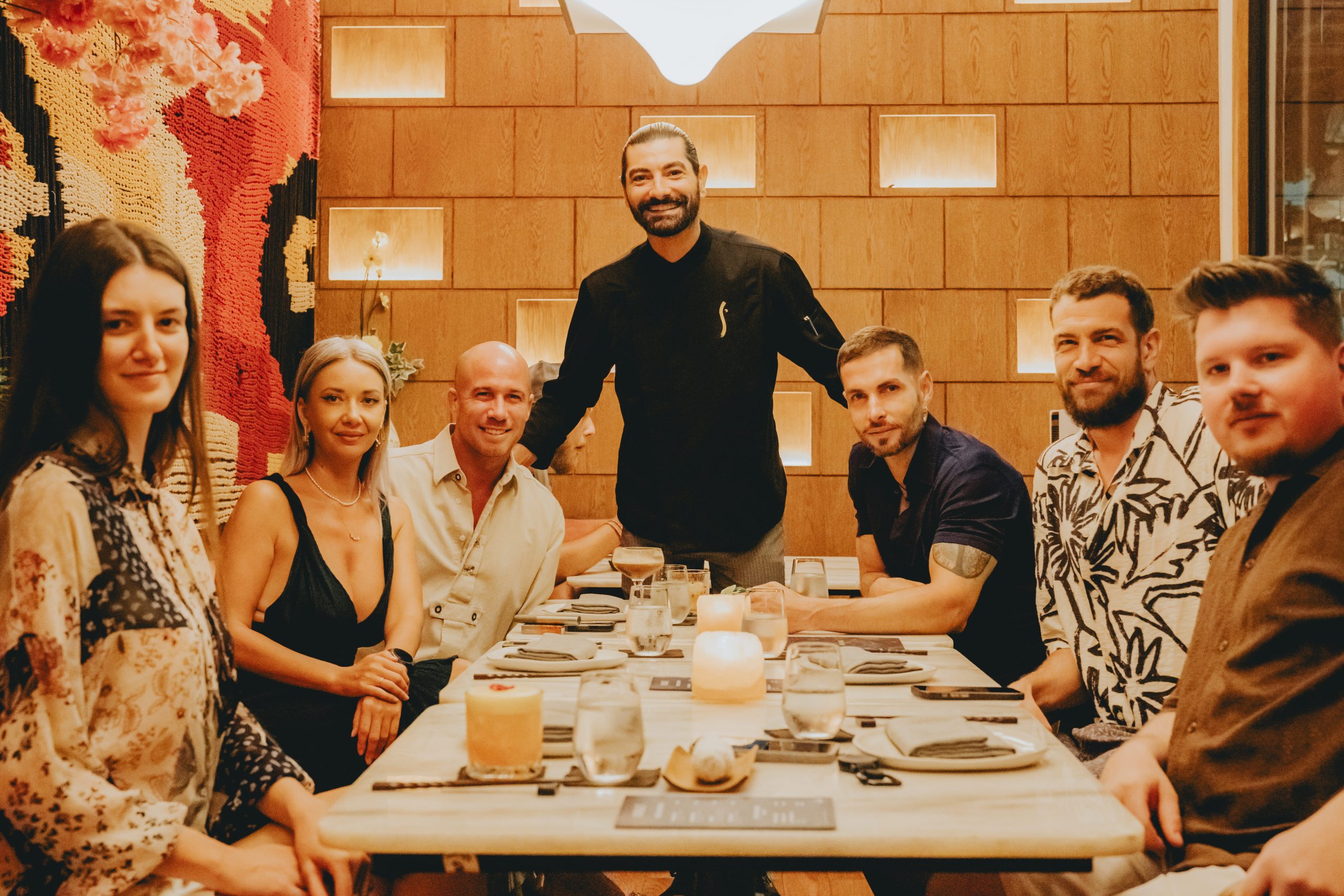
What Is Omakase? A Beginner’s Guide to Bali’s Most Talked-About Dining Trend
Chef’s choice, no menu, and one of the more interesting ways to eat well in Canggu right now.
There is a particular kind of confidence in sitting down to a meal without knowing what you are about to eat.
No menu to scan, no dish to choose, no decision to second-guess. Just a seat at the counter and a chef who has already decided, course by course, what the evening will taste like.
That is omakase, and it has quietly become one of the most talked-about ways to eat in Bali.
If the word has come up around Canggu but you are not entirely sure what it means, what to expect, or whether it is worth booking, this guide covers the basics: what omakase actually means, how a typical dinner unfolds, the etiquette worth knowing, and why the format has found such a natural home in Bali’s dining scene.
What Does “Omakase” Actually Mean?
Omakase comes from Japanese and translates loosely to “I leave it up to you.” At its core, it describes a dining format where the chef, not the guest, decides what gets served.
There is no menu to browse. Instead, the chef selects each course based on what is freshest that day, building a sequence of dishes meant to be eaten in a specific order and, often, at a specific pace. The format grew out of sushi counters in Japan, where trust between chef and guest was the entire premise: the itamae chooses, the guest simply shows up ready to eat.
That is the part that tends to surprise first-timers most. Omakase is not a set menu you can preview in advance. It is closer to being a guest in someone else’s kitchen, with the chef making every decision on your behalf.
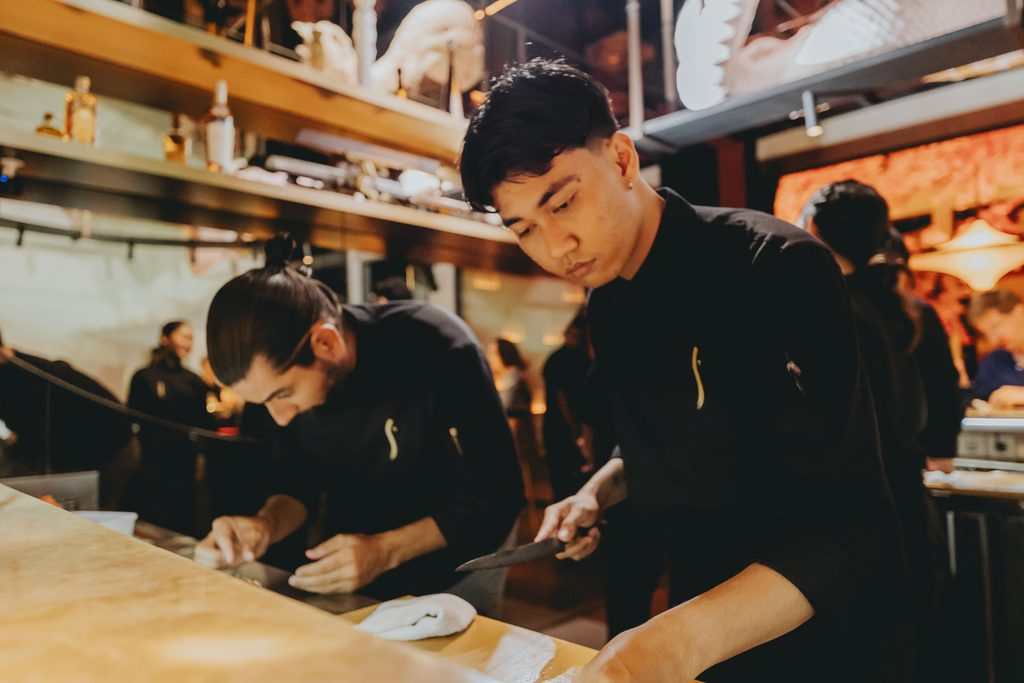
How an Omakase Dinner Actually Unfolds
Even without a fixed menu, omakase dinners tend to follow a familiar shape.
The evening usually opens light: a small starter or appetizer designed to wake up the palate without filling it. From there, the meal moves into a sequence of nigiri or sashimi, typically ordered from lighter, leaner fish toward richer, fattier cuts as the courses progress. Texture and temperature are part of the design too, with the chef often building in contrast between pieces rather than repeating the same note twice.
Toward the end, the meal usually settles: a warm dish, a simple soup, or something that signals the tasting is winding down before dessert. The whole sequence is built around pacing, so a good omakase dinner rarely feels rushed, even when there are a dozen or more courses involved.
Omakase Etiquette: What First-Timers Should Know
A few small habits go a long way toward getting the most out of an omakase dinner.
Eat each piece soon after it is served, rather than letting it sit. Much of omakase, especially nigiri, is built around temperature and timing, and a piece left too long loses part of what made it worth serving in the first place. It is also completely acceptable to eat with your hands rather than chopsticks, particularly for nigiri.
Any allergies or strong dislikes are best mentioned at the very start of the meal, not course by course, since the chef is often planning the sequence several courses ahead. And perhaps most importantly: trust the pacing. Omakase rewards guests who let the meal unfold at the chef’s rhythm rather than rushing toward the next course.
Why Bali Has Fallen for Omakase
Bali’s dining scene has spent the last few years moving toward experiences that feel considered rather than simply convenient, and omakase fits that shift naturally.
Part of the appeal is the trust element itself — in a destination where visitors are often choosing where to eat based on recommendations and instinct rather than familiarity, letting a chef take over for the evening removes a layer of decision-making that can otherwise dominate a trip. Part of it is also the format’s compatibility with Bali’s broader hospitality culture, where dining, design and atmosphere are rarely treated as separate things.
Canggu, Seminyak and Uluwatu have all seen a steady rise in Japanese dining concepts over recent years, and omakase in particular has become something people actively search out rather than stumble upon.
Omakase Meets Nightlife: The Miss Fish Difference
At most omakase counters, the evening ends when the last course is cleared. At Miss Fish in Berawa, it doesn’t have to.
Omakase here sits inside a room built around transition — guests can start with a chef-led tasting, move into cocktails, and let the night continue into music and a livelier atmosphere without needing to change venues. It is a different proposition from a quiet, contained sushi counter: the same trust in the chef, paired with a room that keeps evolving long after dinner is done.
For a destination like Canggu, where a night out is rarely just one thing, that combination is part of what makes omakase at Miss Fish feel distinct.
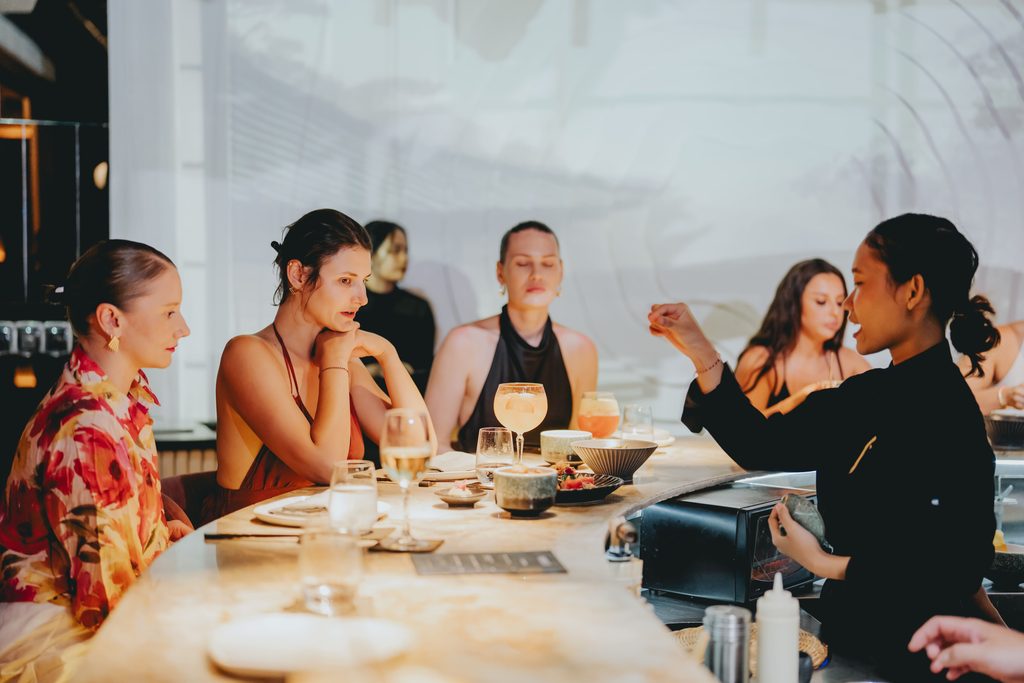
Who Omakase Is For
For First-Timers Curious About the Format
If you have never done omakase, Bali is a genuinely good place to start — approachable portions, attentive chefs, and a format that rewards curiosity over expertise.
For Foodies Looking for Something Beyond A La Carte
Omakase offers a different kind of dining decision: none at all, which is exactly the appeal for guests who want to be surprised course by course.
For Date Nights and Special Occasions
The pacing, the ritual and the sense of being looked after make omakase a natural fit for evenings that call for something more considered than a standard dinner booking.
For Content Creators and Visual Storytellers
Course-by-course plating and a chef actively at work in front of guests give omakase dinners a natural, unforced visual rhythm.
Why You Should Book Ahead
Omakase seating is almost always limited by design. Counter space is finite, courses are prepared to order, and the chef’s pacing depends on knowing how many guests to plan for. That makes it a format that rewards planning ahead far more than a standard reservation would.
This matters especially for larger groups, special occasions, and anyone visiting Bali with a specific night already in mind. Booking ahead means a proper seat at the counter, a pace that isn’t rushed by a room at full capacity, and a dinner that actually delivers on what makes omakase worth choosing in the first place.
Omakase in Bali Is Just Getting Started
A few years ago, omakase in Bali was a niche request. Now it is closer to a standard part of the island’s dining vocabulary, with new counters, new chefs and new interpretations of the format opening steadily across the south of the island.
That growth says less about a passing trend and more about what omakase actually offers: a dining experience built on trust, pacing and a chef’s point of view, at a moment when Bali’s dining scene is increasingly built around exactly that.
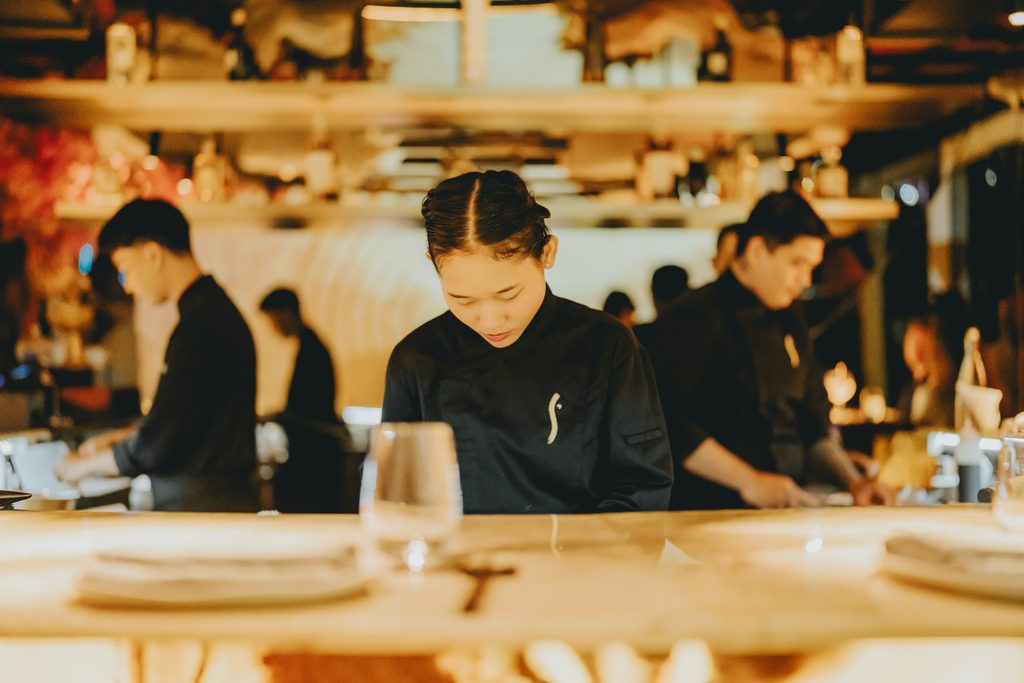
Final Thoughts
Omakase is not complicated, even though it can feel that way the first time the menu never arrives. It is chef’s choice, course by course, built on trust rather than selection — and in Bali, it has become one of the more rewarding ways to spend an evening at the table.
Whether it is a first omakase dinner or a repeat visit to a favourite counter, the format rewards guests who show up curious and let the chef take it from there. In Canggu, Miss Fish offers exactly that, with a room that keeps the evening going long after the last course.
Miss Fish Bali
Omakase, Berawa, Canggu